
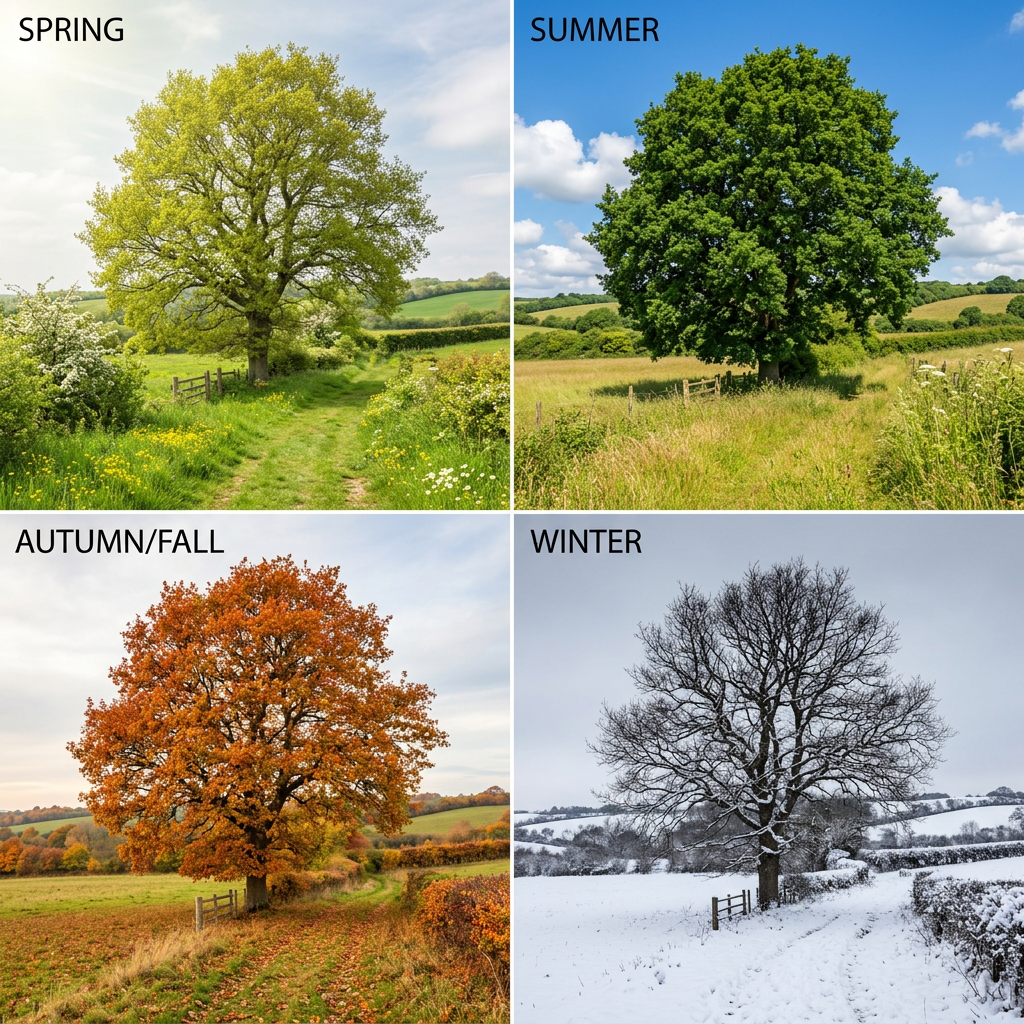
If you’ve been following along with the Balance in Every Bite series, you’ve probably seen me use the word Ritucharya.
In Ayurveda, Ritucharya simply means living in harmony with the seasons.
- Ritu = season
- Charya = routine or way of living
At its core, Ritucharya is about paying attention to what is happening around us, the weather, the temperature, the energy of the season, and making small adjustments to our food and lifestyle to stay balanced.
Simple, right?
This isn’t about perfection or following complicated rules. In fact, Ayurveda is often much more practical than people expect. Our ancestors naturally lived closer to the rhythms of nature, eating foods that were available seasonally and adjusting daily life based on the environment around them.
Ayurveda simply gives us a framework for returning to that awareness.
Understanding the Seasons Through the Doshas
To understand Ritucharya, it helps to have a basic understanding of the doshas and their qualities.
All three doshas live within each of us, although most people tend to have one or two that are more dominant. The doshas also appear in nature and throughout the seasons of the year.
| Dosha | Elements | Qualities | Season |
| Vata | Ether + Air | cold, dry, light, mobile | Autumn/Early Winter |
| Pitta | Fire + Water | hot, sharp, slightly oily | Summer |
| Kapha | Earth + Water | cold, wet, heavy | Late Winter/Spring |
The key to Ayurveda is balance.
When the qualities outside of us increase, those same qualities can also increase within us. Ayurveda teaches that we can create balance by introducing the opposite qualities.
What Does That Look Like in Real Life?
Right now, here in Virginia Beach, it’s mid-spring, and the weather has been all over the place.
One day it’s sunny and nearly 80 degrees. The next day, it’s rainy, damp, foggy, and in the 50s.
That cool, wet, heavy feeling is very Kapha in nature.
To create balance, we can choose foods that bring in the opposite qualities: warm, light, dry, and energizing foods.
This might look like:
- warming soups or stews
- lightly spiced meals
- lots of vegetables
- fewer heavy or overly processed foods
Spices like ginger, black pepper, cayenne, cinnamon, and cumin can be especially supportive during this season.
One simple spring meal I love is a warming soup with bok choy, cauliflower, carrots, peas, and black beans served over quinoa. Nourishing, grounding, and light enough for spring.
Ayurveda Doesn’t Have to Be Complicated
At first, seasonal eating through an Ayurvedic lens can sound overwhelming. But over time, you begin to notice patterns.
You start asking simple questions:
- What qualities are showing up in nature today?
- How do I feel?
- What foods might help create balance?
That awareness becomes second nature.
Small shifts practiced consistently can have a profound effect on how we feel.
And if you’re curious about how Ayurveda applies specifically to your constitution, lifestyle, or current imbalances, I’m always here to help guide you gently through the process.
Until next time, may you find balance gently and trust the transformation along the way.


One response to “Ritucharya : Living in Rhythm With the Seasons”
🌼🍂❄️
LikeLike