
Welcome to Spice Saturday, a space where we explore the wisdom of individual spices and how they support balance in the body through the lens of Ayurveda.
Growing up, the ginger I knew was the powdered form, used in gingerbread cake, pumpkin pie, and my mom’s spice cake. Fresh ginger didn’t enter my life until much later, when it was suggested to help with an upset stomach.
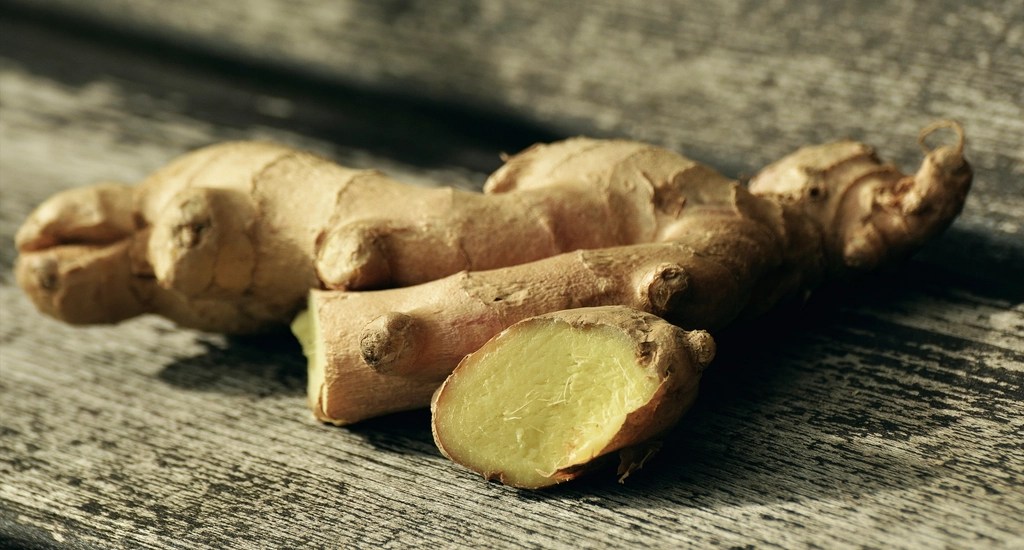
What I didn’t know then is that ginger is considered the “universal healer” in Ayurveda, one of the most sattvic spices, supporting the body, mind, and spirit. It has been used for thousands of years across cultures, both in the kitchen and as a powerful tool for healing.
Ayurvedic Profile
From an Ayurvedic perspective, ginger carries the following qualities:
- Dosha Impact: Reduces Vata and Kapha; may increase Pitta
- Botanical Name: Zingiber officinale
- Family: Zingiberaceae
- Taste (Rasa): Pungent, with a touch of sweetness
- Energetics: Heating
Why Ayurveda Loves Ginger
In Ayurveda, ginger is often referred to as the “universal medicine.” At its core, it works by kindling Agni, your digestive fire, helping the body break down food more efficiently and reducing the buildup of ama (toxins from undigested food).
Ginger is especially supportive when digestion feels sluggish, heavy, or bloated. Its warming nature helps to stimulate digestion, reduce gas, and support circulation and immune function.
It’s also known for its wide range of traditional actions, supporting the body as an analgesic, carminative, expectorant, and stimulant.
Fresh vs. Dry Ginger
One of the most important distinctions in Ayurveda is how ginger is used:
- Fresh ginger → more mild, slightly soothing, and easier on the system
- Dry ginger → significantly more heating and stimulating
Both have their place; it simply depends on what your body needs.
As much as I love ginger, I’ve also learned to use it with awareness. Too much can create excess heat, especially for Pitta types or during warmer seasons.
How I Use It in My Kitchen
I use ginger every day. I’ll often add a sprinkle of powdered ginger to my French press in the morning to gently support digestion. In cooking, I reach for both fresh and dried forms, fresh in simple stir-fries, and powdered in things like my mom’s spice cake.
It’s also an ingredient in a paste I make to help ease achy joints during the damp winter months.
Here are a few simple ways to begin incorporating ginger into your own kitchen:
- Use before meals (in small amounts) to gently stimulate digestion
- Add fresh ginger to sautéed vegetables or soups
- Steep fresh slices in hot water for a simple digestive tea
- Combine with turmeric and a pinch of black pepper for a warming daily tonic
Bringing Ginger Into the Kitchen
This is where the wisdom of spices truly comes to life.
You’ll see ginger featured in next week’s Balance in Every Bite, where it helps bring warmth and digestibility to a simple, nourishing meal.
Try It Yourself
Take a moment this week to notice how your body responds to ginger. A small, intentional shift can make a meaningful difference.
If you’re curious about bringing more Ayurvedic wisdom into your daily life, I invite you to reach out or follow along.
Until next time, may you find balance gently and trust the transformation along the way.

